Introduction
Choosing the right toys for young children can feel overwhelming, especially with so many options on the market today. Parents are constantly searching for toys that are not only fun, but also educational and developmentally appropriate.
That’s where Montessori toys stand out.
Rooted in the Montessori philosophy, these toys are intentionally designed to support a child’s natural development through hands-on learning, independence, and exploration. Instead of overstimulating children with lights and sounds, Montessori toys encourage focus, creativity, and meaningful play.
What Are Montessori Toys?
Montessori toys are thoughtfully designed tools that promote learning through simplicity and purpose. While they are often made from natural materials like wood, they are not limited to it — you can also find Montessori-inspired toys made from metal, fabric, felt, and other safe materials.
What makes these toys unique is their focus on one skill at a time. Instead of overwhelming children with multiple functions, they help develop specific abilities such as:
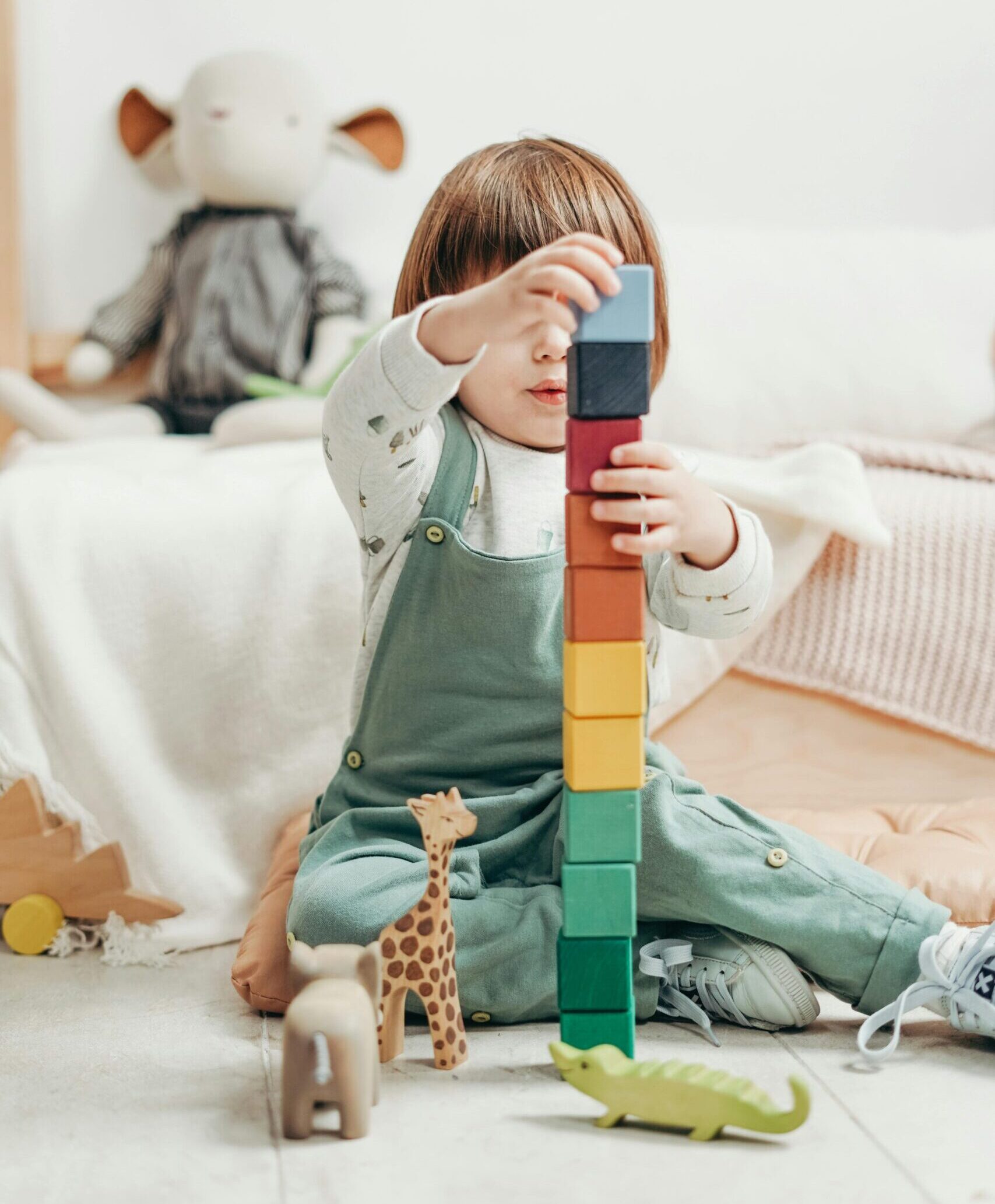
- Stacking and balancing
- Sorting and matching
- Problem-solving
- Hand-eye coordination
This simplicity allows children to fully engage with the activity and understand how things work at their own pace.
Key Features of Montessori Toys
Montessori toys are different from conventional toys in several important ways:
- Purpose-driven design – Each toy has a clear educational goal
- Minimalist approach – No flashing lights, loud sounds, or distractions
- Child-led learning – Encourages independence and self-discovery
- Hands-on interaction – Learning happens through doing, not watching
- Self-correcting – Children can identify and fix mistakes on their own
These features help create a calm and focused play environment, which is essential for early childhood development.
How Montessori Toys Support Learning
Montessori toys play a powerful role in supporting key developmental milestones. Through intentional play, children naturally build essential skills that will benefit them for life.
These toys help children:
- Develop fine motor skills through grasping, pinching, and manipulating objects
- Improve focus and concentration by engaging in purposeful, uninterrupted play
- Understand cause and effect by experimenting and observing outcomes
- Strengthen problem-solving skills through trial and error
- Build independence and confidence by completing tasks on their own
Because many Montessori toys are self-correcting, children learn through experience rather than constant adult guidance. This builds resilience and encourages a growth mindset from an early age.
Why Less Is More in Montessori Play
In today’s world, it’s easy to think that more toys mean more fun — but in Montessori philosophy, the opposite is often true.
Having fewer, carefully chosen toys helps children:
- Focus better
- Engage in deeper, more meaningful play
- Use their imagination more creatively
- Avoid overstimulation
A clutter-free environment allows children to feel calm and in control, making playtime more productive and enjoyable.
How to Choose the Best Montessori Toys
When selecting Montessori toys for your child, consider the following tips:
- Choose toys appropriate for your child’s age and developmental stage
- Look for simple designs that focus on one skill
- Prioritize quality over quantity
- Select safe, durable materials
- Observe your child’s interests and follow their curiosity
Remember, the best toy is one that encourages your child to explore, think, and learn independently.
Are Montessori Toys Worth It?
Many parents wonder if Montessori toys are truly worth the investment.
The answer is yes — not because they are trendy, but because they are intentionally designed to support real learning. Unlike many commercial toys, Montessori toys grow with your child and encourage skills that go beyond play, such as patience, focus, and independence.
Final Thoughts
Montessori toys are more than just playthings — they are powerful learning tools that support a child’s natural development.
By choosing toys with purpose, simplicity, and quality, you are creating an environment where your child can thrive, explore, and build essential life skills from an early age.
In the end, it’s not about having more toys — it’s about choosing the right ones.