Introduction
Choosing Montessori toys by age can feel overwhelming for many parents, especially with so many options available today. Many toys are designed to entertain, but not all are created to support meaningful learning and development.
That’s why Montessori toys have become increasingly popular among parents who want a more intentional approach to play.
Rooted in the Montessori philosophy, these toys are designed to support a child’s natural development through purposeful, hands-on learning. Instead of overstimulating children, they encourage focus, independence, and creativity.
In this guide, you’ll learn how to choose Montessori toys by skill and age, helping your child grow independently, confidently, and at their own pace—while making smarter, more meaningful choices as a parent.
What Makes a Toy “Montessori”?
Montessori toys are not defined by branding or price—they are defined by how they support a child’s development.
In general, Montessori-style toys:
- Focus on one skill at a time
- Encourage hands-on, active learning
- Are simple, realistic, and purposeful
- Promote independence and self-discovery
- Allow repetition and concentration
Rather than overwhelming children with lights, sounds, and fast-paced stimulation, Montessori toys create a calm learning experience. They invite children to explore, repeat, and truly understand how things work.
Another key aspect is that many Montessori toys are self-correcting, meaning children can recognize and fix mistakes on their own. This builds confidence, problem-solving skills, and resilience.
How to Choose Montessori Toys by Age
–Montessori Toys for Ages 1–2
At this stage, toddlers are exploring the world through movement and sensory experiences. They are learning how their bodies work and how objects interact.
Montessori toys for ages 1–2 should focus on simple, repeatable actions with clear outcomes.
Look for toys that support:
- Fine motor development
- Hand-eye coordination
- Early problem-solving
- Cause-and-effect understanding
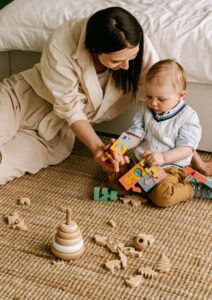
Toys such as stacking rings, nesting cups, shape sorters, and wooden blocks are excellent choices. They allow toddlers to explore concepts like size, order, balance, and gravity in a natural way.
These activities also help strengthen hand muscles, which are essential for future skills like writing and self-care tasks.
At this age, repetition is key. Children may play with the same toy many times—and that’s exactly how learning happens.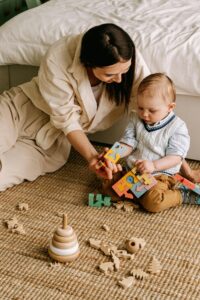
Pro tip for parents: Rotate toys every few weeks instead of offering too many at once. This keeps your child engaged without causing overstimulation.
At this age, less is truly more. A small selection of carefully chosen toys leads to deeper focus and more meaningful play.
–Montessori Toys for Ages 2–3
Between ages 2 and 3, children become more intentional in their actions and begin to seek independence. You’ll often hear: “I can do it myself!”
Montessori toys for this stage should encourage that independence while supporting cognitive and physical development.
Focus on toys that promote:
- Practical life skills
- Problem-solving and sequencing
- Coordination and control
- Focus and patience
Great options include:
- Knob puzzles
- Matching and sorting activities
- Stacking and balancing toys
- Pouring and transferring activities
Real-life tools are especially valuable at this stage. Child-sized cleaning sets, kitchen tools, and simple food preparation activities allow children to imitate adults and feel capable.
These types of activities help children develop not only skills, but also confidence, responsibility, and a sense of belonging within the home.
–Montessori Toys for Ages 3–5
Preschool-aged children are ready for more complex and meaningful challenges. Their attention span increases, and they begin to think more logically and creatively.
Montessori toys for ages 3–5 should support both academic readiness and independence.
Look for toys that help develop:
- Early math skills (counting, sorting, patterns)
- Language and vocabulary
- Logical thinking and reasoning
- Creativity and imagination
Open-ended toys are especially powerful at this stage. These include:
- Building blocks
- Counting materials
- Alphabet and phonics activities
- Pretend play objects
Unlike traditional toys, open-ended materials allow children to explore multiple possibilities, encouraging creativity and deeper thinking.
Montessori toys at this stage help prepare children for school—not through pressure or memorization, but by fostering a genuine love of learning.
Choosing Toys by Skill Area
In addition to age, it’s important to choose toys based on the specific skills you want to support.
-Fine Motor Skills
Toys that involve grasping, pinching, stacking, or threading help strengthen small hand muscles.
These skills are essential for:
- Writing
- Buttoning clothes
- Using utensils
- Everyday independence
–Cognitive Development
Toys like puzzles, matching games, and sequencing activities support brain development.
They help children:
- Improve memory
- Develop focus
- Solve problems independently
- Understand patterns and relationships
-Practical Life Skills
One of the most important aspects of Montessori is preparing children for real life.
Activities such as:
- Cleaning
- Cooking
- Organizing
help children build independence, coordination, and self-confidence.
These are not just “tasks”—they are powerful learning experiences.
-Sensory Development
Young children learn through their senses. Montessori toys should offer natural textures and materials that encourage exploration.
Look for toys that engage:
- Touch (different textures)
- Sight (natural colors and contrast)
- Movement (balance, coordination)
Avoid overstimulation—simple sensory experiences are more effective than flashy ones.
❌ What to Avoid When Choosing Montessori Toys
Not all toys labeled “educational” truly support development.
Try to avoid:
- Toys with excessive lights, sounds, or buttons
- Toys that entertain passively instead of engaging actively
- Overly complex toys with no clear purpose
- Battery-operated toys that limit creativity
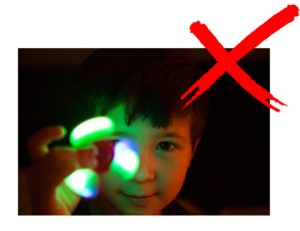
Montessori toys should invite the child to think, explore, and do—not just watch or press buttons.
Common Mistakes Parents Make (and How to Avoid Them)
Many well-intentioned parents make small mistakes when choosing toys. Here are a few to watch out for:
- Buying too many toys at once → leads to overstimulation
- Choosing toys above the child’s level → causes frustration
- Focusing on trends instead of development → reduces long-term value
👉 Instead, focus on quality, simplicity, and purpose.
Final Thoughts
Choosing Montessori toys doesn’t mean buying expensive or trendy products. It means making intentional choices that respect your child’s development and natural curiosity.
By selecting toys based on skill and age, you create a calm, engaging, and meaningful play environment—one that supports independence, confidence, and a lifelong love of learning.
In the end, the best toys are not the ones that do the most—but the ones that allow your child to do more.