Introduction
Child development milestones help parents understand how children grow, learn, communicate, and develop important skills between ages 1 and 5.
Understanding child development milestones helps parents feel more confident and prepared as their children grow. During the early years, children experience rapid physical, emotional, social, and cognitive development that shapes how they learn, communicate, and interact with the world.
While every child develops at their own pace, knowing what skills typically emerge between ages 1 and 5 can help parents better support learning, independence, and emotional well-being.
Developmental milestones are not meant to create pressure or comparison. Instead, they serve as helpful guidelines that provide insight into how children grow and what kinds of support they may need along the way.
By understanding these stages, parents can create a nurturing environment that encourages confidence, curiosity, and healthy development.
Why Developmental Milestones Matter
Early childhood is one of the most important periods of brain development. During these years, children build foundational skills that influence future learning, behavior, communication, and relationships.
Tracking developmental milestones helps parents:
- Understand age-appropriate expectations
- Recognize strengths and challenges
- Support learning through everyday activities
- Encourage emotional and social growth
It’s important to remember that development is not linear. Children may advance quickly in some areas while taking more time in others.
Developmental Milestones at Age 1 (12–24 Months)
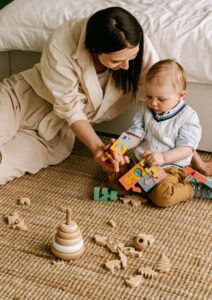
At this stage, toddlers are rapidly developing mobility, communication skills, and curiosity about the world around them.
Common milestones include:
- Walking independently or with minimal support
- Saying a few simple words
- Pointing to objects of interest
- Showing curiosity and exploring surroundings
- Beginning to follow simple instructions

Toddlers learn best through movement, repetition, and hands-on experiences. Providing a safe environment where they can explore freely helps build confidence, coordination, and independence.
Simple activities like stacking blocks, reading books together, and naming everyday objects help strengthen both language and cognitive development.
Developmental Milestones at Age 2
Two-year-olds become increasingly expressive and independent. Language skills expand quickly, and emotional awareness becomes more noticeable.
Typical milestones at this age:
- Using short phrases or simple sentences
- Identifying familiar people and objects
- Showing strong emotions, including frustration
- Beginning parallel play with other children
- Attempting simple self-care tasks
At this stage, toddlers often want to do things “by themselves.” Encouraging independence through small tasks—such as putting away toys or helping with routines—supports confidence and responsibility.
Tantrums and emotional outbursts are also common during this period because children are still learning how to communicate and regulate emotions.
Consistency, patience, and predictable routines help children feel secure while developing emotional control.
Developmental Milestones at Age 3
By age three, children show greater imagination, stronger language skills, and improved motor coordination. Social interactions also become more meaningful.
Key milestones include:
- Speaking in complete sentences
- Asking many questions
- Engaging in imaginative play
- Following multi-step instructions
- Improved balance and coordination
Three-year-olds learn heavily through pretend play and storytelling. Activities like role-playing, building, drawing, and sensory play help support creativity and problem-solving skills.
This is also a stage where children begin developing friendships and learning important social skills such as sharing, cooperation, and empathy.
Developmental Milestones at Age 4
Four-year-olds demonstrate stronger independence and a growing understanding of rules, routines, and communication.
Common milestones include:
- Clearer speech and storytelling abilities
- Understanding simple time concepts
- Playing cooperatively with peers
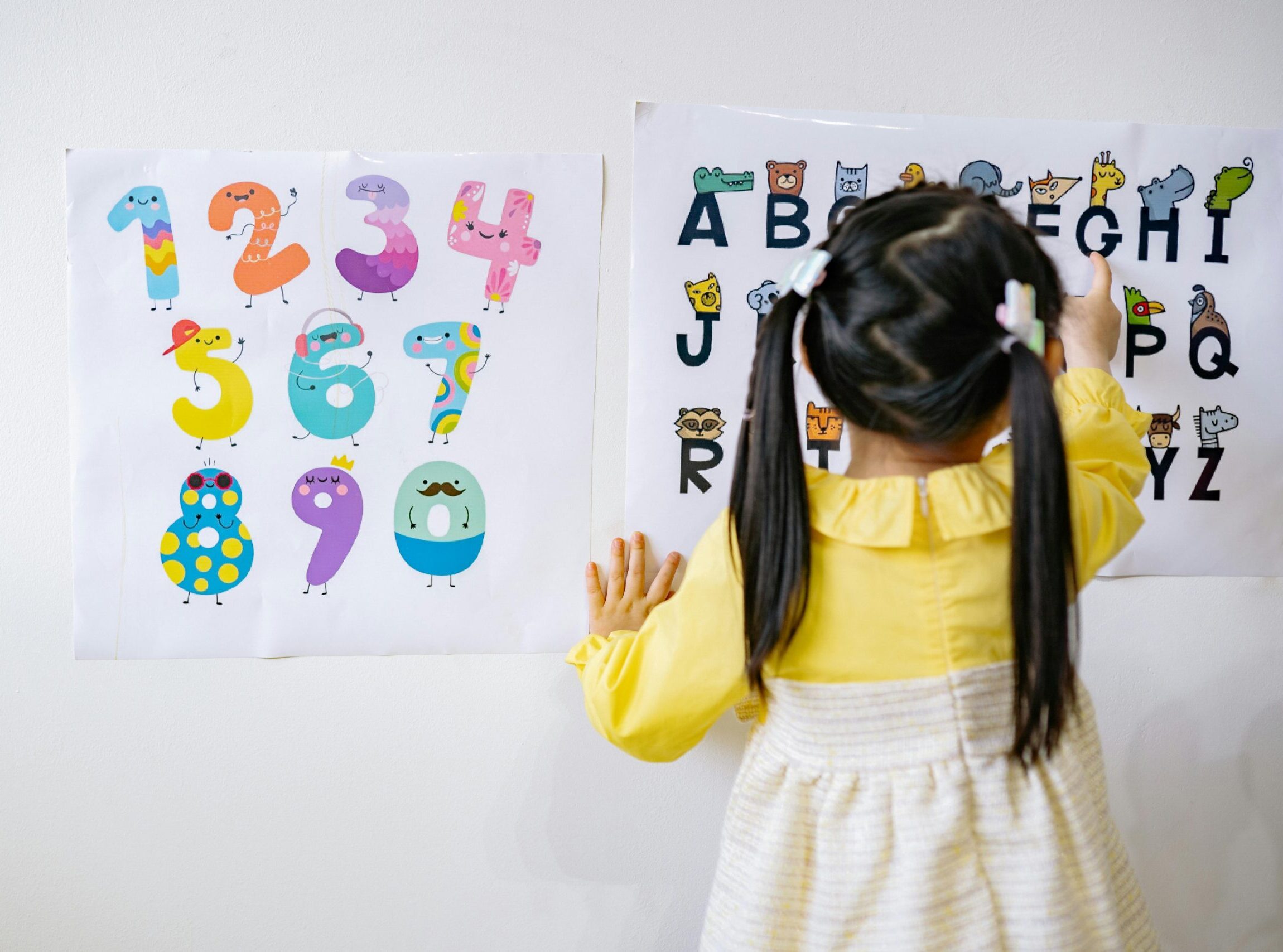
- Recognizing letters, numbers, or shapes
- Managing emotions more effectively
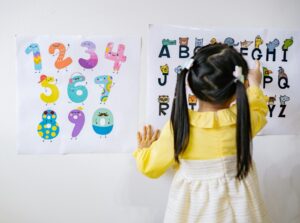
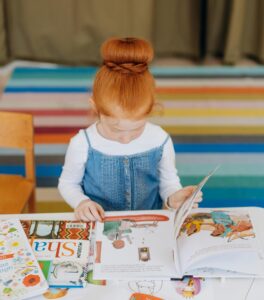
At this age, children become more curious about how things work and often enjoy asking “why” questions. Structured routines combined with opportunities for creative expression help children feel both secure and confident.
Activities like puzzles, arts and crafts, and open-ended play continue to support learning in meaningful ways.
Developmental Milestones at Age 5
By age five, children are preparing for more structured school environments and developing stronger academic and social skills.
Typical milestones include:
- Longer focus and attention span
- Recognizing letters, numbers, and patterns
- Following rules and instructions
- Solving simple problems independently
- Expressing emotions more clearly with words
Children at this age often enjoy activities that involve responsibility, teamwork, and creative thinking.
Encouraging independence while still offering emotional support helps children feel capable and prepared for new challenges.
Supporting Healthy Development at Home
Parents play one of the most important roles in early childhood development. Everyday interactions and routines have a lasting impact on how children learn and grow.
Simple ways to support development include:
- Reading together daily
- Encouraging free play and creativity
- Limiting overstimulating screen time
- Creating predictable routines
- Allowing children to make age-appropriate choices
Children thrive in environments where they feel safe, supported, and encouraged to explore independently.
When Should Parents Seek Professional Guidance?
Because every child develops differently, small variations in milestones are completely normal.
However, parents may want to consult a pediatric professional if they notice:
- Significant loss of previously learned skills
- Limited eye contact or social interaction
- Difficulty communicating needs
- Major delays in movement or language
Early support and intervention can make a meaningful difference when needed.
Final Thoughts
Every child develops at their own rhythm, and milestones are meant to guide—not pressure—parents.
Rather than focusing on comparison, it’s more important to observe progress, encourage curiosity, and create a supportive environment where children feel confident and loved.
The early years are filled with meaningful growth, and even the smallest everyday moments can help build a strong foundation for lifelong learning and emotional well-being.