Introduction
Early childhood is one of the most important stages of human development. From birth to age five, a child’s brain develops faster than at any other time in life, forming the foundation for future learning, behavior, and overall well-being.
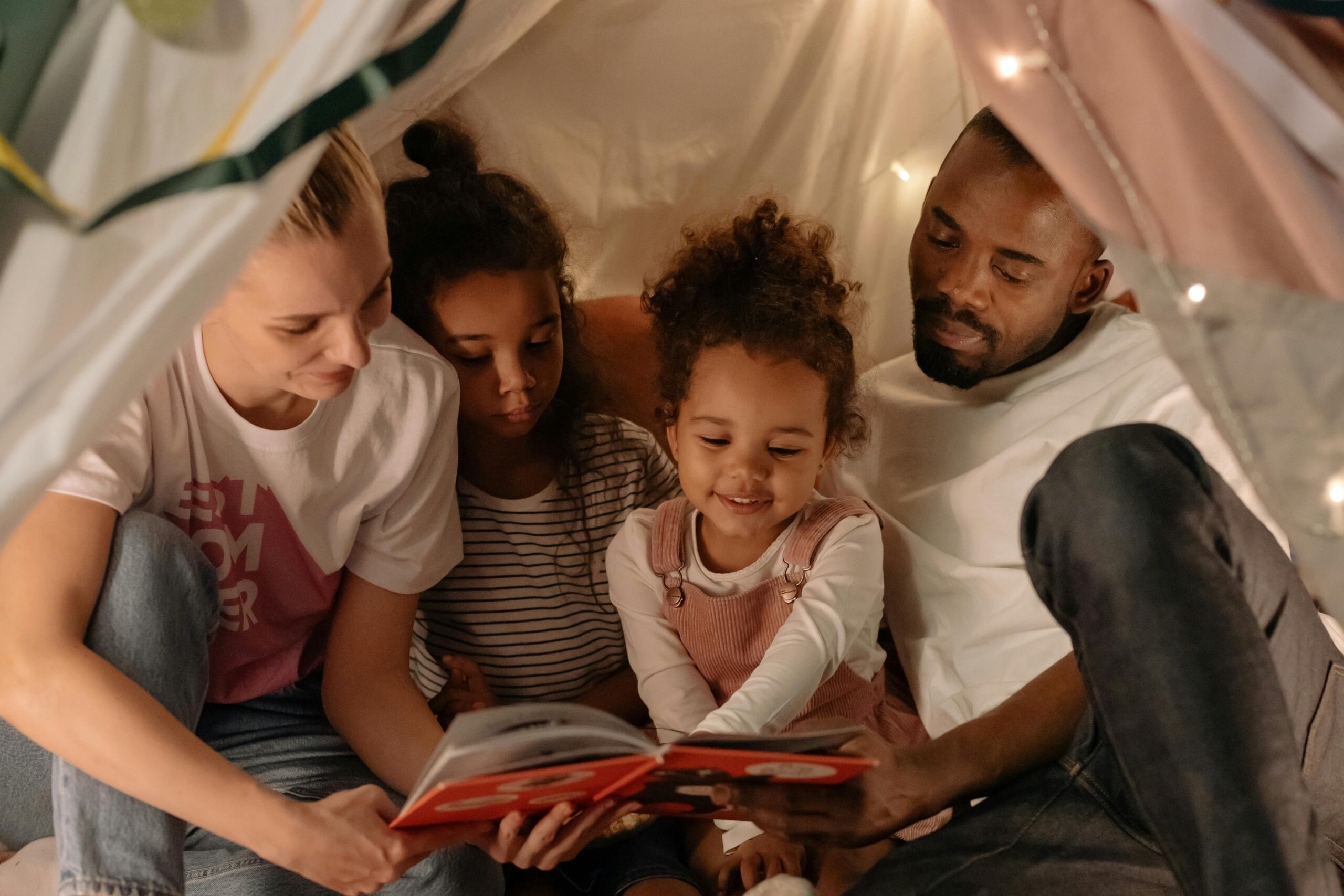
During these early years, children are constantly learning—through play, interaction, and everyday experiences. Even simple moments, like talking, reading, or playing together, have a powerful impact on how a child grows and understands the world.
Understanding early childhood development helps parents make more intentional choices, creating a supportive environment where children can thrive emotionally, socially, and cognitively.
Why Early Childhood Development Matters
The early years are critical because the brain is highly adaptable and responsive to experiences. Positive interactions and environments help build strong neural connections, while a lack of stimulation can slow development.
High-quality early experiences support:
- Strong communication and language skills
- Emotional regulation and resilience
- Social skills and empathy
- Problem-solving and critical thinking
In other words, what children experience early in life shapes how they learn, behave, and relate to others in the future.
Key Areas of Child Development
Child development is not just about learning numbers or letters—it involves multiple areas that grow together and influence one another.
-Cognitive Development
Cognitive development refers to how children think, explore, and figure things out.
It includes:
- Problem-solving
- Memory
- Attention and focus
- Understanding cause and effect
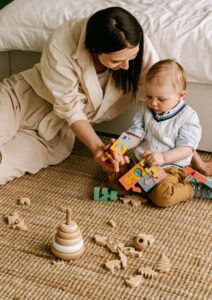
Simple activities like puzzles, building blocks, and open-ended play help strengthen these skills naturally.
-Physical Development
Physical development includes both gross motor skills (large movements) and fine motor skills (small, precise movements).
Examples include:
- Running, jumping, climbing (gross motor)
- Grasping, drawing, stacking (fine motor)
Active play, outdoor time, and hands-on activities are essential for building coordination, strength, and body awareness.
-Social-Emotional Development
This area focuses on how children understand emotions, build relationships, and interact with others.
It includes:
- Expressing and managing emotions
- Developing empathy
- Building trust and connections
- Learning cooperation and sharing
Strong social-emotional skills are key to confidence and healthy relationships later in life.
-Language Development
Language development is about both understanding and communication.
It involves:
- Listening and comprehension
- Vocabulary growth
- Speaking and expressing ideas
- Early literacy skills
Talking, reading, and singing with children daily are some of the most effective ways to support this area.
👉 Important: All these areas are interconnected. For example, a child developing language skills is also strengthening social and cognitive abilities at the same time.
Every Child Develops at Their Own Pace
While developmental milestones can be helpful guidelines, it’s important to remember that every child is unique.
Some children may walk early but speak later, while others may develop language skills quickly but take more time with physical coordination.
👉 What matters most is not comparison—but progress.
A supportive, responsive environment plays a much bigger role in development than trying to meet exact timelines.
How Parents Can Support Development
You don’t need expensive tools or structured programs to support your child’s growth. In fact, the most powerful learning happens through simple, everyday interactions.
Here are some practical ways to support early development:
-Talk and Read Every Day
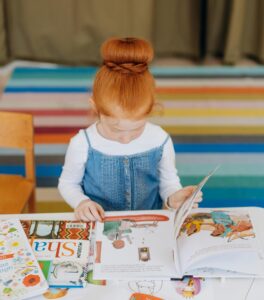
Language grows through exposure. Talking to your child, describing what you’re doing, and reading books daily helps build vocabulary and communication skills.

-Encourage Free Play
Unstructured play allows children to explore, imagine, and create. It supports creativity, problem-solving, and independence.
-Promote Independence
Allow children to try things on their own—even if it takes longer.
Simple actions like:
- Putting on shoes
- Cleaning up toys
- Helping with small tasks
build confidence and self-reliance.

-Create Consistent Routines
Children feel safer and more secure when they know what to expect.
Daily routines help:
- Reduce anxiety
- Improve behavior
- Support emotional regulation
The Role of Environment in Child Development
A child’s environment plays a crucial role in how they learn and grow.
A supportive environment should be:
- Safe and organized
- Calm and not overstimulating
- Filled with age-appropriate materials
- Encouraging exploration and independence
Simple changes—like accessible toys, child-sized furniture, or a clutter-free space—can make a big difference in how a child interacts with their surroundings.
Common Mistakes Parents Make
Even with the best intentions, some common habits can limit a child’s development:
- Over-scheduling activities instead of allowing free play
- Relying too much on screens for entertainment
- Doing everything for the child instead of encouraging independence
- Comparing children to others
👉 Small adjustments can lead to big improvements over time.
Final Thoughts
Understanding early childhood development empowers parents to make informed, confident decisions. You don’t need to be perfect—you just need to be present, attentive, and supportive.
By focusing on connection, consistency, and meaningful experiences, you can create an environment where your child feels safe, confident, and ready to learn.
In the end, it’s the simple, everyday moments that have the greatest impact on a child’s future.