Introduction
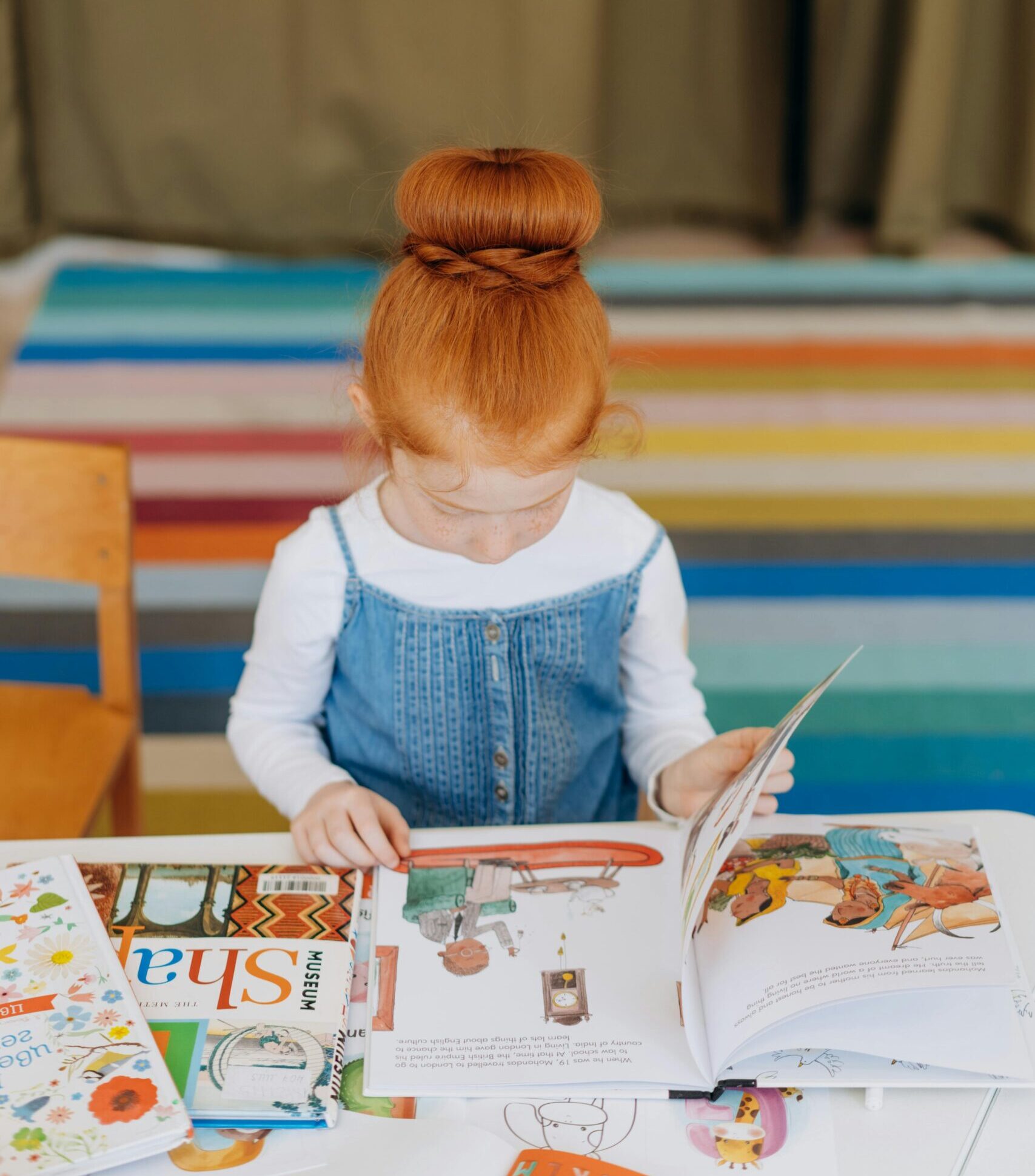
Reading to children is one of the most powerful and meaningful ways parents can support early childhood development. Beyond simply teaching words and letters, reading helps children build language skills, emotional awareness, imagination, creativity, and strong family connections.
Even just a few minutes of reading aloud each day can have a lasting impact on a child’s future learning and confidence.
Books introduce children to new ideas, experiences, emotions, and ways of thinking. Through stories, children begin to understand the world around them while developing important communication and social skills.
Whether it’s a bedtime story, a picture book during the day, or reading together after school, creating positive reading experiences helps children develop a lifelong love of learning.
The Benefits of Reading Aloud to Children
Reading aloud supports nearly every area of child development. It helps children learn not only language, but also listening, memory, emotional understanding, and creativity.
Some of the biggest benefits of reading to children include:
- Expanding vocabulary and communication skills
- Improving listening and concentration
- Strengthening memory and comprehension
- Supporting emotional and social development
- Encouraging creativity and imagination
- Building school readiness and early literacy skills
- Strengthening parent-child bonding

Children who are regularly exposed to books often develop stronger language skills and greater curiosity about learning.
Reading Supports Brain Development
During the early years, a child’s brain develops rapidly. Reading aloud stimulates important areas of the brain related to language, comprehension, and emotional processing.
Hearing stories helps children:
- Recognize sounds and patterns in language
- Understand sentence structure
- Develop critical thinking skills
- Improve attention span and focus
Even babies benefit from hearing language through books and storytelling. The rhythm, repetition, and interaction involved in reading help strengthen early communication skills long before children can read independently.
Books Help Children Understand Emotions
Stories allow children to explore feelings and social situations in a safe and meaningful way.
Through books, children learn about:
- Friendship
- Kindness and empathy
- Frustration and problem-solving
- Confidence and independence
- Diversity and understanding others
Books often help children process emotions they may not yet know how to express themselves.
Reading together also creates opportunities for parents to ask questions, encourage conversation, and help children better understand their feelings.
Encouraging Imagination and Creativity
Books open the door to imagination and creativity.
When children listen to stories, they visualize characters, places, and situations in their minds. This type of imaginative thinking supports creativity, storytelling abilities, and problem-solving skills.
Unlike passive screen time, reading encourages active engagement and deeper thinking.
Picture books, fantasy stories, and open-ended storytelling all help children expand their imagination while developing language and comprehension skills.
Choosing the Right Books for Your Child
Selecting age-appropriate books helps make reading enjoyable and engaging for children.
Look for books that:
- Match your child’s developmental stage
- Include colorful and engaging illustrations
- Use simple and clear language for younger children
- Reflect real-life experiences and emotions
- Encourage curiosity and conversation
For toddlers and preschoolers, repetition and predictable patterns are especially helpful because they support memory and language development.
Children also benefit from books that reflect their interests, whether that includes animals, vehicles, nature, emotions, or everyday routines.
Creating a Daily Reading Routine
A consistent reading routine helps children associate books with comfort, connection, and relaxation.
Reading before bedtime is one of the most common and beneficial routines because it:
- Helps children relax before sleep
- Reduces screen exposure at night
- Creates quality bonding time
- Encourages consistency and emotional security
Even 10–15 minutes of reading each day can make a meaningful difference.
Creating a calm reading environment with cozy spaces and accessible books also encourages children to explore reading independently.
Making Reading Interactive
Children learn best when reading becomes interactive and engaging.
Simple ways to make reading more meaningful include:
- Asking questions during the story
- Letting children point to pictures
- Encouraging predictions about what happens next
- Using expressive voices and emotions
- Allowing children to choose books
These small interactions help improve comprehension, communication, and confidence.
Reading Is Not About Perfection
Some parents worry that they are not reading “correctly” or that their child loses focus quickly. That’s completely normal.
The goal is not perfection—it’s connection and exposure to language.
Children benefit simply from hearing words, conversations, and stories regularly in a positive environment.
Even short reading sessions can support learning and emotional development in powerful ways.
Final Thoughts
Reading to children is one of the simplest yet most impactful habits parents can create during early childhood.
Books support language development, imagination, emotional growth, and school readiness while also strengthening the bond between parent and child.
Most importantly, reading helps children associate learning with warmth, comfort, curiosity, and connection—creating benefits that often last far beyond childhood.



One Response