
Introduction
Sensory play is one of the most important ways young children learn about the world around them. Through touch, movement, sound, sight, smell, and hands-on exploration, children build critical skills that support brain development, emotional regulation, creativity, and problem-solving.
In early childhood, learning happens best through direct experiences. Sensory activities allow children to explore, experiment, and discover naturally while strengthening important developmental skills.
Whether it’s playing with water, scooping rice, exploring textures, or listening to different sounds, sensory play encourages curiosity, concentration, and independent learning in a meaningful and engaging way.
Best of all, sensory experiences don’t need to be complicated or expensive to have a powerful impact on child development.
What Is Sensory Play?
Sensory play includes activities that stimulate a child’s senses and encourage exploration through hands-on experiences.
These activities often involve:
- Touch
- Sight
- Sound
- Smell
- Movement and balance
Sensory activities can include:
- Playing with sand, water, or rice
- Exploring different textures and materials
- Listening to music and sounds
- Hands-on art and creative activities
- Pouring, scooping, and sorting objects
- Playing with sensory bins or natural materials
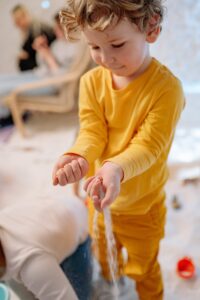
Children learn by actively interacting with their environment, and sensory play gives them opportunities to process information through real experiences rather than passive observation.
Why Sensory Play Matters for Child Development
During the early years, children’s brains develop rapidly. Sensory experiences help create important neural connections that support learning, memory, communication, and emotional development.
Sensory play supports:
- Cognitive growth
- Language development
- Fine and gross motor skills
- Problem-solving abilities
- Creativity and imagination
- Emotional regulation
- Focus and concentration
These experiences also help children better understand cause and effect, spatial awareness, and how different materials and objects interact.
For toddlers and preschoolers, sensory exploration is often one of the most natural and effective forms of learning.
Sensory Play Supports Fine Motor Skills
Many sensory activities involve movements that strengthen the small muscles in children’s hands and fingers.
Scooping, pouring, pinching, squeezing, stacking, and transferring objects all help improve:
- Hand-eye coordination
- Grip strength
- Finger control
- Coordination needed for writing and self-care tasks
Simple sensory activities can quietly prepare children for future skills like drawing, cutting, buttoning clothes, and handwriting.
Emotional Benefits of Sensory Activities
Sensory play is not only educational — it can also be deeply calming and emotionally supportive.
Many children use sensory experiences to:
- Relax and self-regulate
- Release stress or frustration
- Improve focus and patience
- Feel emotionally secure
Activities like playing with water, kinetic sand, dough, or sensory bins often have a soothing effect on young children.
Predictable sensory routines can be especially beneficial for toddlers who are still learning how to manage big emotions.
Encouraging Creativity and Independent Exploration
One of the greatest benefits of sensory play is that it encourages open-ended learning.
Unlike toys with one specific purpose, sensory materials allow children to experiment freely and use their imagination.
Children may:
- Build and create
- Mix and explore
- Sort and organize
- Pretend and imagine
- Discover new textures and sensations

This type of child-led exploration supports creativity, curiosity, and independent thinking.
Sensory play also allows children to learn at their own pace without pressure or strict expectations.
Simple Sensory Play at Home
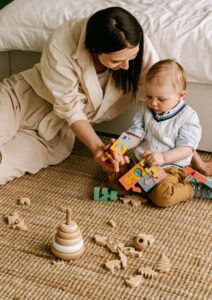
You don’t need expensive toys or complicated setups to create meaningful sensory experiences at home.
Many everyday household items can become wonderful sensory tools when used safely and intentionally.
Simple materials like:
- Rice
- Pasta
- Oats
- Water
- Fabric scraps
- Measuring cups
- Wooden spoons
- Pom-poms
- Sponges
- Ice cubes
can provide rich opportunities for exploration and learning.
For example, a small container filled with dry rice and a few scoops or cups can become a calming activity that toddlers enjoy for long periods of time.
Likewise, supervised water play with cups, funnels, and containers helps children strengthen coordination, concentration, and problem-solving skills.
Often, the simplest activities create the most meaningful learning experiences.
Sensory Bin Ideas for Toddlers and Preschoolers
Sensory bins are one of the easiest and most popular sensory activities for young children.
A sensory bin is simply a container filled with materials children can explore using their hands and simple tools.
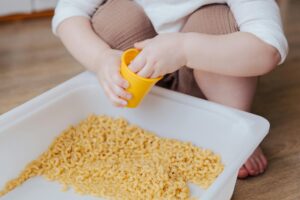
Easy sensory bin ideas include:
- Rice and scoops
- Water and floating toys
- Dried beans and measuring cups
- Nature items like leaves or pinecones
- Shredded paper and hidden objects
- Kinetic sand and molds
Always supervise young children carefully and choose age-appropriate materials.
Sensory Play and Montessori Learning
Sensory exploration aligns beautifully with Montessori-inspired learning because it encourages:
- Hands-on discovery
- Independent exploration
- Real-world experiences
- Concentration and focus
- Natural curiosity
Montessori environments often include sensory-rich activities using natural materials, practical life exercises, and opportunities for meaningful exploration.
Simple, intentional sensory activities help children learn through experience rather than passive entertainment.
Safety Tips for Sensory Activities
While sensory play is highly beneficial, safety is always important.
Parents should:
- Supervise young children during activities
- Avoid choking hazards for toddlers
- Choose non-toxic materials
- Keep activities age-appropriate
- Watch for allergies or sensitivities
The goal is to create safe and enjoyable opportunities for exploration and learning.
Final Thoughts
Sensory play is much more than simple entertainment — it’s a vital part of how children learn, grow, and understand the world around them.
Through sensory exploration, toddlers and preschoolers strengthen cognitive skills, emotional regulation, creativity, motor development, and independent thinking in natural and meaningful ways.
Most importantly, sensory activities encourage children to stay curious, engaged, and connected to their environment while learning through play.
With just a few simple materials and opportunities for exploration, parents can create rich sensory experiences that support healthy early childhood development every day.


One Response