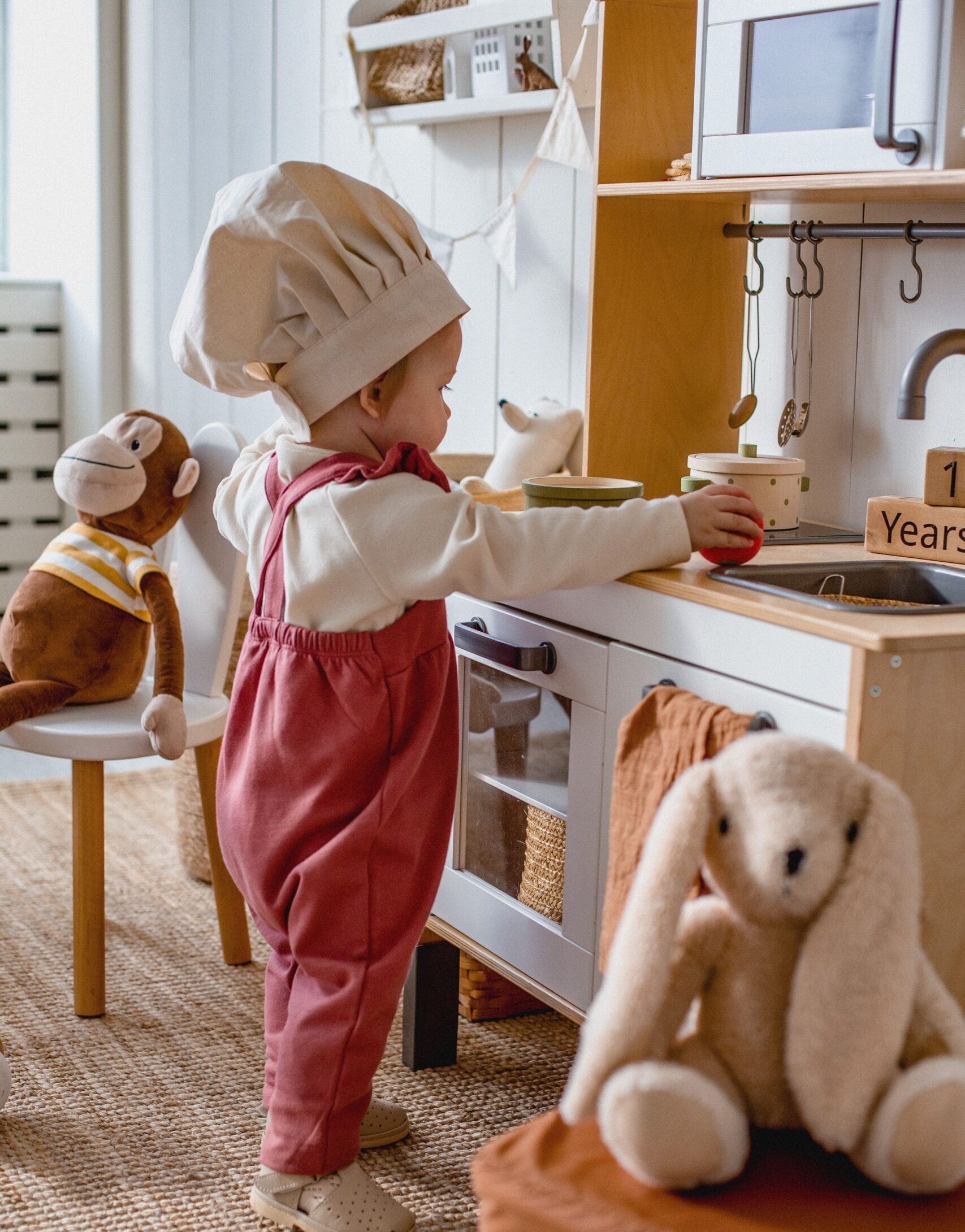
Introduction
At the age of three, children are naturally curious and eager to explore everything around them. The Montessori philosophy encourages hands-on learning, independence, and respect for a child’s individual pace.
Choosing the right toys can make a big difference in your child’s development — helping them practice focus, coordination, and creativity while having fun.
In this article, we’ve selected the best Montessori toys for 3-year-olds to support your little one’s learning journey and spark their imagination.
Why Montessori Toys Matter at Age Three
Montessori toys are especially valuable during this stage because they encourage children to learn by doing. Instead of entertaining them with lights or sounds, these toys invite children to think, experiment, and discover solutions independently.
At this age, meaningful play supports many important developmental skills, including:
- Fine motor coordination
- Early language development
- Problem-solving
- Creativity
- Concentration
- Self-confidence
- Practical life skills

Choosing toys that match your child’s interests and developmental stage helps create enjoyable learning experiences that build confidence while encouraging curiosity.
1. Wooden Puzzles and Sorting Toys
Why they’re great:
At this age, children love fitting pieces together and discovering how things connect. Montessori-inspired puzzles help strengthen hand-eye coordination, spatial reasoning, and problem-solving skills.
Examples of toys:
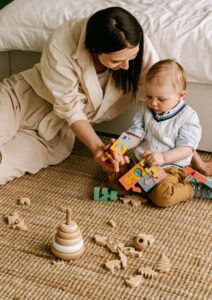
• Wooden shape sorter
• Alphabet or number puzzles
• Color and pattern matching boards
💡 Pro Tip: Choose puzzles made from natural wood and avoid those with bright lights or sounds. The simplicity helps children concentrate better.
Beyond developing hand-eye coordination, puzzles also teach perseverance. As children experiment with different pieces and eventually solve the challenge, they experience the satisfaction of completing a task independently.
Montessori encourages children to repeat activities as often as they wish. Repetition strengthens memory, concentration, and confidence while allowing children to master new skills naturally.
2. Practical Life Toys
Why they’re great:
Montessori education values real-life experiences. Toys that mimic everyday tasks help children feel capable and confident.
Examples of toys:
• Child-sized cleaning set (broom, dustpan, spray bottle)
• Button and zipper dressing boards
• Safe kitchen tools (mini whisk, peeler, wooden spoon)
Through these activities, children learn patience, coordination, and the joy of contributing to the family.
Practical life activities are one of the foundations of Montessori education. At three years old, children often want to imitate adults by helping around the house.
Providing child-sized tools allows them to safely participate in everyday routines such as sweeping, watering plants, preparing snacks, or cleaning a table. These experiences teach responsibility while improving coordination and independence.
Rather than seeing these activities as chores, children view them as exciting opportunities to contribute to family life.
3. Fine Motor Skill Builders
Why they’re great:
At age three, children refine their finger strength and control — essential for writing and self-care skills later on. Toys that involve threading, pouring, or screwing parts together are perfect for this stage.
Examples of toys:
• Lacing beads or threading toys
• Peg boards
• Wooden screwdriver boards
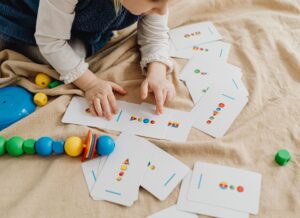
These simple tools offer endless opportunities for practice and discovery.
Strong fine motor skills are essential for many future tasks, including writing, drawing, buttoning clothes, and using utensils.
Activities that involve threading beads, transferring objects with tongs, or using small tools strengthen the muscles in children’s hands while improving precision and patience.
These skills develop gradually through repeated practice and playful exploration.
4. Imaginative and Open-Ended Toys
Why they’re great:
Montessori-inspired play encourages creativity without limits. Open-ended toys allow children to invent their own stories and use imagination freely.
Examples of toys:
• Wooden blocks or stacking rainbows
• Animal figurines
• Simple play kitchens or dollhouses

These toys “grow” with the child — there’s no single way to play, making them long-lasting favorites.
Unlike toys with a single purpose, open-ended toys encourage children to invent their own games and stories.
One day, wooden blocks may become a castle. The next day, they may become a bridge or a train station.
This type of play stimulates creativity, flexible thinking, language development, and problem-solving without requiring constant adult guidance.
5. The Beauty of Natural Materials
When choosing Montessori toys, simplicity and quality matter. Look for materials like wood, metal, cotton, or felt. These textures offer rich sensory experiences and connect children to nature.
Avoid toys that rely on lights, sounds, or screens. The quiet focus that comes from real, tactile play is what builds true concentration and joy.
Natural materials also provide children with rich sensory experiences. Wood feels different from plastic, cotton differs from synthetic fabrics, and metal offers unique weight and texture.
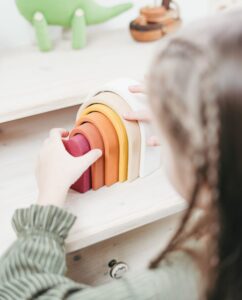
These subtle sensory experiences help children become more aware of the world around them while creating a calm and inviting play environment.
Well-made wooden toys also tend to last longer, making them a sustainable investment that can often be enjoyed by younger siblings in the future.
How to Choose Montessori Toys for a 3-Year-Old
When selecting Montessori toys, focus less on age labels and more on your child’s current interests and abilities.
Look for toys that:
- Encourage independent play
- Present a manageable challenge
- Can be used in multiple ways
- Support real-life skills
- Inspire curiosity and creativity
Rather than purchasing many toys at once, choose a few high-quality materials that your child can explore deeply over time.
Common Mistakes Parents Make
Many parents unintentionally buy toys that entertain rather than educate.
Some common mistakes include:
- Buying toys with excessive lights and sounds
- Choosing toys that are too difficult
- Offering too many toys at once
- Constantly directing the child’s play
Montessori encourages children to take the lead during play. Giving children space to explore independently often results in deeper learning and greater confidence.
Creating a Montessori Play Space for Preschoolers
A thoughtfully prepared environment helps children become more independent.
Simple ideas include:
- Low shelves with a limited number of toys
- Clearly organized baskets
- Child-sized furniture
- Natural lighting
- Easy access to books and art materials
A calm, organized environment helps children focus and care for their belongings independently.
Frequently Asked Questions
Are Montessori toys worth buying for a 3-year-old?
Yes. Montessori toys continue to support independence, creativity, and problem-solving throughout the preschool years while encouraging meaningful, hands-on learning.
Do Montessori toys need to be expensive?
Not at all. Many simple wooden toys and even everyday household items can provide wonderful Montessori learning experiences.
Should my child have electronic toys?
Electronic toys are not necessarily harmful, but Montessori encourages balancing them with open-ended, hands-on toys that require active thinking and exploration.
How many toys should a 3-year-old have?
A smaller selection of carefully chosen toys often encourages deeper concentration than having dozens of toys available at once. Rotating toys every few weeks helps keep play fresh and engaging.
Final Thoughts
The best Montessori toys for 3-year-olds aren’t flashy — they’re meaningful, educational, and designed to encourage independence. Each toy offers an opportunity for your child to explore, create, and grow through play.
Remember that the most valuable toy is one that invites your child to think, explore, and discover independently. Montessori toys don’t need to be expensive or complicated—they simply need to encourage meaningful learning through purposeful play. By creating a calm, engaging environment filled with thoughtful materials, you’re helping your child build skills that will support learning, confidence, and curiosity for years to come.