
Introduction
If your child suddenly refuses foods they used to love, asks for the same meal every day, or turns their nose up at almost everything you serve, you are definitely not alone.
How to handle picky eaters?
Picky eating is a common part of early childhood. Toddlers and preschoolers are still learning about different tastes, textures, smells, colors, and even the experience of eating unfamiliar foods. A child may happily eat strawberries one day and refuse them the next. Another child may decide that only pasta, toast, or one particular brand of crackers is acceptable.
For parents, mealtimes can quickly become stressful.
You may find yourself thinking:
Why won’t my child eat vegetables?
Should I make another meal?
Should I insist that they take one bite?
Are they eating enough?
The good news is that selective eating does not automatically mean something is wrong. The Centers for Disease Control and Prevention notes that young children may refuse foods they previously enjoyed, prefer only a few foods, or dislike having foods touch on their plate. These behaviors are often part of normal early childhood eating patterns.
Instead of turning every meal into a battle, parents can create a positive food environment where children have repeated opportunities to see, explore, and taste a variety of foods.
In this guide, you’ll discover 12 practical tips for handling picky eaters, creating calmer mealtimes, introducing new foods, and helping toddlers and preschoolers develop a healthy relationship with food.
What Is Picky Eating?
Picky eating, also called selective or choosy eating, can look different from child to child.

A picky eater might:
- Refuse unfamiliar foods
- Eat only a small selection of foods
- Prefer foods prepared in a specific way
- Refuse foods because of their color or texture
- Avoid foods touching each other
- Suddenly reject foods they previously enjoyed
- Want the same meal repeatedly
- Take a long time to accept new foods
For many young children, food preferences change as they grow.
Toddlers are becoming more independent and discovering that food is one area where they can make their own choices. At the same time, their growth rate slows after infancy, so their appetite may change from day to day. The American Academy of Pediatrics describes picky eating as common during the toddler years and recommends offering healthy choices without turning meals into a power struggle.
Understanding this can help parents approach mealtimes with more patience.
1. Don’t Turn Mealtimes Into a Battle
One of the most important things parents can do is reduce pressure around food. When parents become very concerned about whether a child eats every bite, mealtimes can become emotionally charged.
A child may learn:
“If I refuse this food, I get a lot of attention.”
Or:
“Eating this food makes everyone upset.”
Instead, try to keep mealtimes as relaxed as possible.
You can encourage your child to try something without forcing them to finish it.
For example, instead of:
“You’re not leaving the table until you eat your vegetables.”
try:
“You don’t have to eat it right now. You can leave it on your plate and decide if you’d like to try it.”
The goal is to create positive experiences around food rather than making eating feel like a competition.
2. Keep Offering Foods Your Child Has Refused
One of the biggest mistakes parents can make is assuming:
“My child doesn’t like broccoli, so I’ll never serve broccoli again.”
Children often need repeated exposure to unfamiliar foods.
The CDC notes that children may need to encounter some foods multiple times before they are willing to try them, with its current guidance noting that it can take around 8–10 exposures for a young child to try a new food.
That doesn’t mean you should put a large serving of an unwanted food on the plate every night.
Instead, offer a small amount alongside foods your child already enjoys.
For example:
Familiar: pasta
New: one small piece of roasted zucchini
The child doesn’t have to eat the zucchini.
Simply seeing it repeatedly can help make the food more familiar.
3. Always Include at Least One Familiar Food
Introducing new foods can be much easier when your child knows there is something on the plate they usually enjoy.
For example:

Lunch
- Chicken
- Rice
- Cucumber
- A fruit your child likes
Dinner
- Pasta
- Meatballs
- Broccoli
- Strawberries
The familiar food can provide reassurance while the other foods give your child opportunities to explore something new. This doesn’t mean preparing a completely separate meal every time your child refuses something.
Instead, try to create meals that include a combination of foods your child knows and foods they are still learning about.
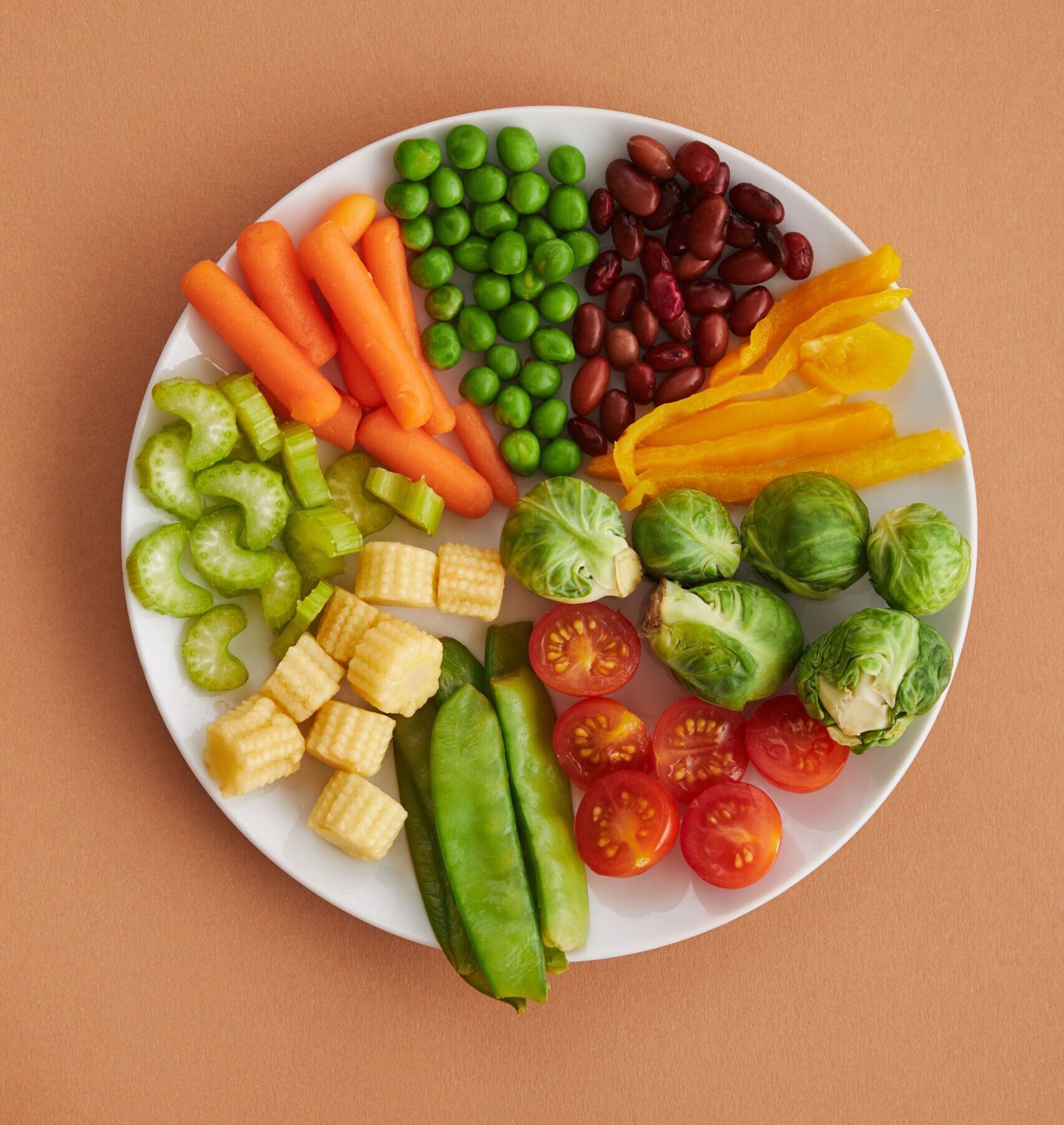
4. Make the Plate Colorful and Interesting
Children are naturally curious about the world around them, and food can be part of that exploration.
Different colors, shapes, textures, and temperatures can make meals more interesting.
Try creating a simple “rainbow plate” with foods such as:
- Red strawberries
- Orange carrots
- Yellow corn
- Green peas
- Blueberries
- Whole-grain foods
- A source of protein
It doesn’t have to look like a Pinterest project. Even placing two or three different colors on a plate can make the meal visually appealing.
The CDC recommends offering a variety of vegetables and fruits and notes that playful approaches can help children become more comfortable with new tastes and textures.
5. Let Children Explore Food Without Immediately Eating It
For some children, touching or smelling a new food is already an important step.
Imagine giving your child a piece of avocado for the first time.
They may:
- Touch it
- Squish it
- Smell it
- Put it near their mouth
- Lick it
- Take a tiny bite
- Spit it out
- Try it again another day
- That process can be part of learning.
You can ask:
“Is it soft or hard?”
“What color is it?”
“Does it smell sweet?”
“Is it crunchy?”
This turns food into an opportunity for exploration instead of simply asking:
“Are you going to eat it?”
6. Let Your Child Help Prepare Meals
Children are often more interested in food when they participate in preparing it.
Even young children can help with simple, age-appropriate tasks.
Depending on their age and abilities, they might:
- Wash fruits and vegetables
- Tear lettuce
- Stir ingredients
- Pour ingredients
- Arrange food on a plate
- Pick between two fruits
- Put napkins on the table
- Help pack a snack
The American Academy of Pediatrics also encourages involving toddlers in preparing healthy meals and snacks.
You can say:
“Would you like to wash the strawberries?”
or:
“Would you like to put the blueberries or banana on the plate?”
These small responsibilities can make children feel involved rather than simply being told what they must eat.
7. Create a Predictable Mealtime Routine
Children often benefit from knowing when meals and snacks will happen.
A predictable routine can help reduce constant requests for snacks throughout the day and create a more organized eating pattern.
For younger children, the CDC recommends regular meals and snacks rather than allowing continuous eating and drinking throughout the day. Your family’s schedule might look something like:
7:30 AM — Breakfast
10:00 AM — Snack
12:30 PM — Lunch
3:30 PM — Snack
6:30 PM — Dinner
The exact times aren’t important. What matters is creating a rhythm that works for your family.
And remember: children may eat different amounts from one day to another. Appetite can naturally fluctuate as children grow.
8. Eat Together When Possible
Children learn a lot by watching adults. If parents regularly eat vegetables, fruits, whole grains, proteins, and other nutritious foods, children get to observe those habits naturally.
You don’t have to give a lecture about nutrition. Simply eating together provides an example.
Instead of saying:
“You need to eat your vegetables because they’re healthy.”
you might simply eat your vegetables and say:
“These roasted carrots are really good.”
Family meals can also provide opportunities for conversation and connection. The CDC notes that sitting together for meals can help children learn how to eat and develop social skills.
9. Avoid Using Dessert as a Reward
It can be tempting to say:
“If you eat your vegetables, you can have dessert.”
But this can unintentionally teach children that vegetables are something unpleasant that must be endured before they can receive the “real” reward.
Instead, try to keep different foods neutral.
Broccoli isn’t a punishment.
Cookies aren’t a prize for eating broccoli.
Food can simply be food.
This doesn’t mean children can eat unlimited sweets.
Parents can still establish reasonable boundaries around treats while keeping the emotional value of foods more neutral.
10. Pay Attention to Drinks and Snacks
Sometimes a child may appear uninterested in meals because they are filling up on snacks or drinks throughout the day. Frequent snacking can make it difficult for children to arrive at meals feeling hungry.

Rather than allowing children to continuously graze, establish predictable snack opportunities.
For drinks, water can be an easy everyday choice, while parents should follow age-appropriate guidance from their child’s pediatrician about milk and other beverages.
The CDC emphasizes water and appropriate unsweetened beverages while also recommending healthy eating patterns that include a variety of food groups.
11. Keep Portions Small
A huge plate of unfamiliar food can be overwhelming for a young child.
Instead, start with small portions.
One strawberry.
One piece of cucumber.
A small spoonful of beans.
A tiny piece of chicken.
If your child wants more, they can ask for more.
Small portions also reduce food waste and make unfamiliar foods seem less intimidating.
Most importantly, remember that a child’s appetite can vary considerably.
One day they may eat a surprisingly large meal.
The next day they may eat very little. Rather than judging one meal in isolation, pay attention to overall eating patterns and your child’s growth and health.
If you’re concerned about how much or how little your child is eating, speak with their pediatrician.
12. Be Patient and Keep the Experience Positive
Perhaps the most important picky-eating strategy is patience.
Your child may refuse a food today. That doesn’t necessarily mean they will refuse it forever.
A food may need to appear many times before it becomes familiar.
Instead of saying:
“You hate carrots.”
try:
“You don’t want carrots today.”
That small change leaves room for the future. Children’s tastes develop. Preferences change.
And a child who refuses tomatoes at age two may happily eat them at age four.
What If My Child Only Eats a Few Foods?
This is one of the biggest worries parents have.
A child might suddenly decide that their entire diet consists of:
- Toast
- Bananas
- Yogurt
- Pasta
It can be frustrating. Try not to panic over a single difficult week.
Continue offering variety alongside familiar foods and keep mealtimes predictable.
However, if your child’s eating is extremely restricted, is affecting growth, causes significant distress, involves difficulty chewing or swallowing, or you have other concerns about nutrition or development, speak with your child’s pediatrician or another qualified healthcare professional.
This article is intended as general parenting information, not individualized medical or nutritional advice.
Easy Ideas for Introducing New Foods
You don’t need complicated recipes to introduce new foods.
Try simple combinations.
Familiar + New
Banana + kiwi
Crunchy + Soft
Cucumber + hummus
Sweet + Savory
Apple slices + cheese
Familiar Meal + New Ingredient
Pasta + a small amount of a new vegetable
Different Preparation
Try the same vegetable:
- Raw
- Steamed
- Roasted
- Mashed
- Mixed into another dish
Children can react very differently to the same food depending on its texture, temperature, smell, and appearance.
The CDC notes that exposing children to a variety of tastes and textures can help them become familiar with different foods while also supporting skills involved in eating.
Creating a positive eating environment doesn’t require a kitchen full of specialized products, but a few practical tools can make everyday meals easier.
For example, parents may find useful:
For Mealtime

For Food Preparation
- Child-safe kitchen tools
- Small mixing bowls
- Measuring cups
- Food storage containers
- Easy-to-clean cutting boards
For Involving Children
❓ Frequently Asked Questions About Picky Eating
How do I get my toddler to eat new foods?
Offer new foods repeatedly without forcing your child to eat them. Serve a small amount alongside familiar foods and allow your child to decide whether to taste it. Some children need many exposures before accepting a new food.
Should I force my child to finish their plate?
Generally, it’s better to avoid making children finish everything on their plate. The CDC recommends allowing children to respond to their own hunger and fullness cues rather than requiring them to finish all the food or drink provided.
How many times should I offer a food my child refuses?
There isn’t a single number that applies to every child, but repeated exposure is useful. The CDC currently notes that a young child may need around 8–10 exposures before trying some new foods.
Should I make a separate meal for my picky eater?
You don’t necessarily need to prepare a completely separate meal every time your child refuses something. Offering at least one familiar food alongside the family meal can help children feel comfortable while still exposing them to variety.
Is picky eating normal for toddlers?
Selective eating is common during early childhood. Toddlers may suddenly reject foods they previously enjoyed or strongly prefer a small number of foods.
When should I talk to a pediatrician?
If you’re worried about your child’s growth, nutrition, swallowing, chewing, eating patterns, or overall health, discuss your concerns with your child’s pediatrician. Individual children can have different nutritional and developmental needs.
Final Thoughts
Picky eating can make parents feel like every meal is a test. But mealtimes don’t have to be perfect.
Your child doesn’t need to love every vegetable. They don’t need to try every new food immediately. And you don’t need to create elaborate meals every night.
Instead, focus on creating a calm, predictable, and positive food environment. Offer nutritious choices, include familiar foods.
Introduce new foods repeatedly.
Let your child participate.
Eat together when possible.
Avoid unnecessary pressure.
And give your child time to develop their own relationship with food.
Some days will go beautifully.
Other days, dinner may end with half the food on the floor.
That’s parenting.
The goal isn’t to win every meal. It’s to gradually help your child become comfortable with a variety of foods while making family mealtimes a positive part of everyday life. And remember: one difficult meal doesn’t define your child’s eating habits.
Keep offering. Keep modeling. Keep it positive—and give your little one time to grow.
You May Also Like: How to Help Your Toddler Sleep Independently (Without Tears); Creating the Perfect Bedtime Routine for Toddlers