Introduction
A predictable bedtime routine for toddlers is one of the most powerful tools parents have for encouraging healthy sleep habits. While toddlers are naturally energetic and curious, they also thrive on consistency. Knowing what comes next helps them feel secure, calm, and ready for sleep.
A thoughtful bedtime routine doesn’t need to be complicated or time-consuming. In fact, the simplest routines are often the most effective. The goal is to create a peaceful transition from the excitement of the day to the quiet comfort of bedtime.
Whether your child is two or three years old, establishing consistent evening habits can improve sleep quality, reduce bedtime resistance, and make evenings more enjoyable for the whole family.
Why Bedtime Routines Matter
Toddlers feel safest when their daily lives are predictable. Repeating the same bedtime routine every evening sends clear signals that the day is coming to an end.
Over time, these familiar activities help your child’s body and mind prepare naturally for sleep.
A consistent bedtime routine may help:
- Reduce bedtime struggles
- Improve sleep quality
- Encourage emotional security
- Lower stress levels
- Build healthy lifelong sleep habits
Children who know what to expect often feel more confident during bedtime.
When Should the Bedtime Routine Begin?
Many parents wonder how long a bedtime routine should last.
For most toddlers, 20 to 30 minutes is an ideal length.
The routine should begin before your child becomes overtired, since overtired toddlers often find it harder to relax and fall asleep.
Watch for sleepy cues such as:
- rubbing their eyes
- yawning
- becoming quieter
- losing interest in play
- becoming unusually emotional

Starting the bedtime routine at the same time each evening helps regulate your child’s internal body clock.
Step 1: A Calm Transition
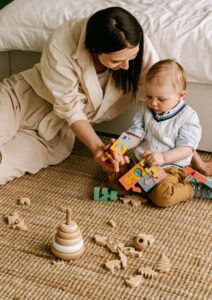
The first step is helping your toddler shift from active play to quiet activities.
Turn off loud toys.
Lower the lights.
Reduce noise throughout the house.
Avoid exciting games during the last hour before bedtime.
These small environmental changes tell the brain that it’s time to slow down.
Step 2: Bath Time (Optional)
A warm bath isn’t necessary every evening, but many families find it relaxing.
Bath time provides:
- relaxation
- predictable routine
- sensory comfort
- quality parent-child interaction
For some children, simply washing hands and face may be enough if a full bath isn’t part of the nightly routine.
Step 3: Pajamas and Brushing Teeth
Simple self-care routines encourage independence.
Allow your toddler to:
- choose between two pairs of pajamas
- help brush their teeth
- put on pajamas independently when possible

Small choices help children feel involved while keeping the routine structured.
Step 4: Reading Together
Reading is one of the best bedtime activities.
Choose books with:
- gentle illustrations
- calming stories
- predictable rhythms
- positive themes
Reading together strengthens emotional connection while naturally preparing children for sleep.
Step 5: Cuddles and Connection
The final moments before bed should feel calm and reassuring.
Some families enjoy:
- hugs
- singing quietly
- saying prayers
- talking about the favorite part of the day
These rituals help children end the day feeling safe and loved.
Step 6: Lights Out
Keep goodnight simple.
Avoid negotiating for “one more story” or “one more drink.”
A calm, confident goodbye helps children understand that bedtime is consistent every night.
Common Bedtime Routine Mistakes
Many bedtime struggles come from inconsistency.
Examples include:
- bedtime changes every night
- screens before bed
- exciting games before sleep
- skipping the routine on weekends
- long negotiations
Children benefit from gentle consistency.
Why Screens Make Bedtime Harder
Electronic devices stimulate the brain and expose children to blue light, which can make it harder for the body to produce melatonin, the hormone that helps regulate sleep.

Whenever possible, avoid screens for at least one hour before bedtime.
Instead, choose calming activities such as:
- puzzles
- coloring
- books
- quiet music
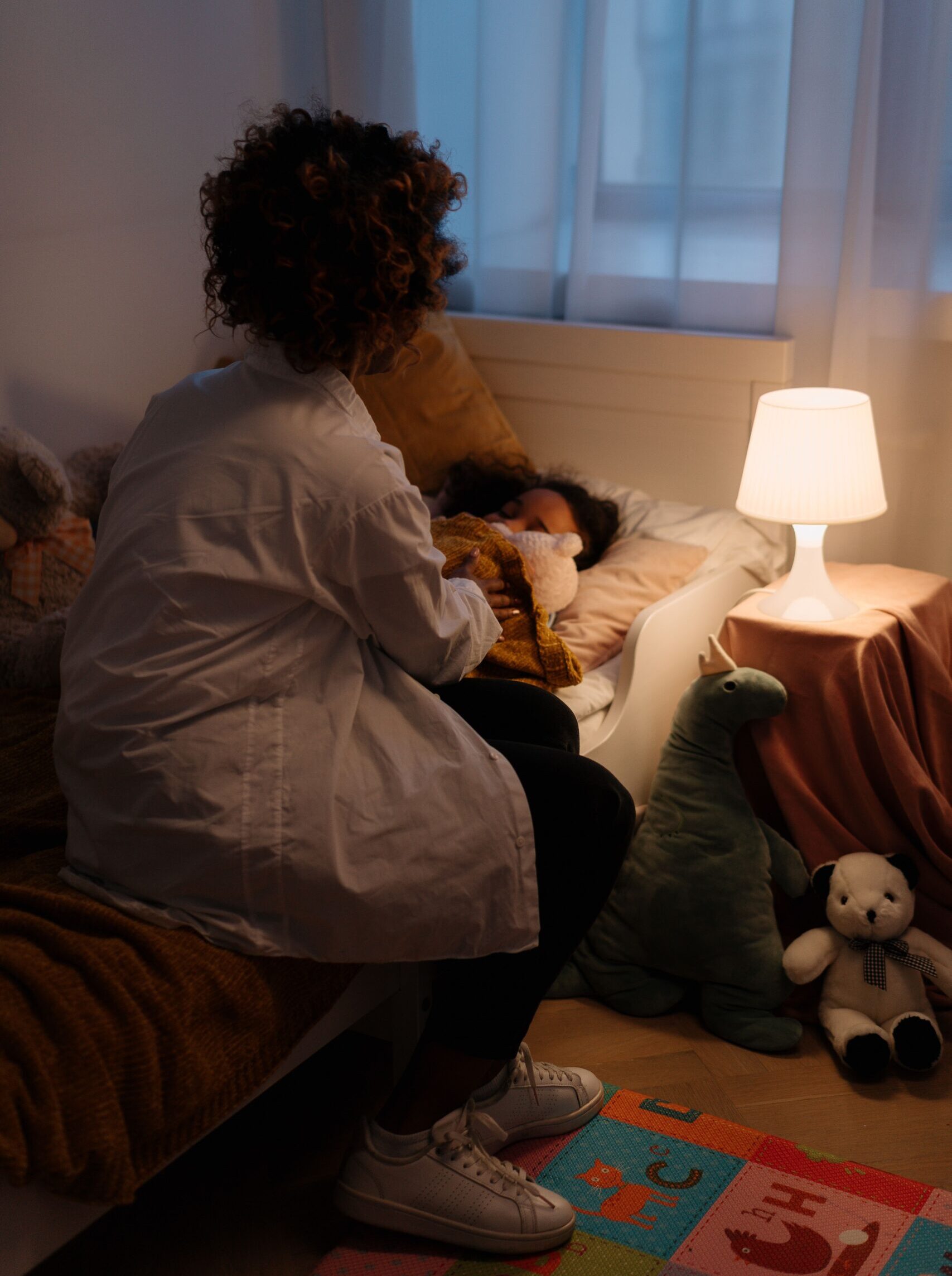
Creating a Peaceful Bedroom
The bedroom should invite rest.
Helpful ideas include:
- soft lighting
- organized toys
- comfortable bedding
- favorite stuffed animal
- minimal distractions
A calm space encourages a calm mind.
❓ Frequently Asked Questions
Should bedtime be the same every night?
Yes. Consistency helps regulate the body’s natural sleep rhythm.
What if my toddler refuses the bedtime routine?
Stay calm and consistent. Toddlers often test limits, but predictable routines usually become easier over time.
Should I let my child choose the bedtime routine?
Offer small choices within the routine, such as choosing pajamas or selecting one bedtime book.
-Looking for more gentle sleep strategies? Don’t miss our complete guide on How to Help Your Toddler Sleep Independently, where you’ll find practical tips for building confidence, reducing bedtime struggles, and encouraging healthy sleep habits.
Final Thoughts
A peaceful bedtime routine is one of the greatest gifts parents can give their children. More than simply preparing for sleep, these quiet moments create lasting memories, strengthen family bonds, and help children feel safe and secure.
Remember that no bedtime routine is perfect every night. What matters most is consistency, patience, and creating an atmosphere where your child can gradually learn to relax and fall asleep with confidence.