Introduction
Children learn best when they can actively explore the world around them. From feeling different textures to pouring water, building with blocks, or playing with sand, every sensory experience helps young children better understand their environment.
Sensory play is much more than simply keeping toddlers busy—it supports brain development, strengthens fine motor skills, encourages language, and helps children develop problem-solving abilities through meaningful, hands-on experiences.
The best part? Many engaging sensory activities can be created at home using simple materials you may already have.
In this guide, you’ll discover some of the best sensory activities for toddlers, learn why sensory play is so important, and find ideas that inspire curiosity, creativity, and independent exploration.
Why Sensory Play Is So Important
During the first years of life, children’s brains develop at an incredible pace.
Every time toddlers touch, smell, hear, move, or observe something new, their brains create new neural connections that support future learning.
Sensory play helps children develop:
- Fine motor skills
- Hand-eye coordination
- Language development
- Problem-solving skills
- Creativity
- Emotional regulation
- Concentration
- Scientific thinking

These experiences build the foundation for future academic learning while making play enjoyable and meaningful.
Creating a Simple Sensory Play Space at Home
One of the biggest misconceptions about sensory play is that parents need expensive toys or elaborate setups.
In reality, a calm, organized space with a few thoughtfully chosen materials is often more engaging than a room filled with plastic toys.
A sensory play area might include:
- A small table
- Baskets for organizing materials
- Easy-to-clean trays
- Containers for sorting objects
- Child-sized tools
Keeping materials accessible encourages independence while allowing children to choose activities that match their interests.
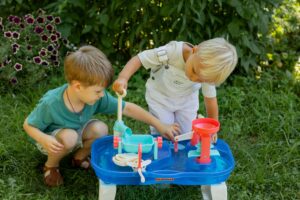
1. Water Play
Water is one of the simplest and most engaging sensory materials.
Children enjoy:
- pouring
- scooping
- squeezing sponges
- floating objects
- transferring water between containers
Water play strengthens coordination while introducing early science concepts such as floating, sinking, and volume.
Great products to recommend:
- Water table
- Measuring cups
- Funnels
- Silicone cups
- Water toys
2. Rice Sensory Bins
Colored or natural rice creates endless opportunities for exploration.
Children can:
- scoop
- pour
- hide objects
- sort colors
- practice counting
Sensory bins also improve concentration because children often remain engaged for long periods.
Products to recommend:
- Large sensory bin
- Scoops
- Wooden bowls
- Small animal figurines
- Sorting cups
3. Play Dough Activities
Play dough is excellent for strengthening hand muscles.
Children can:
- roll
- squeeze
- pinch
- flatten
- cut shapes
These movements prepare little hands for future writing.
Products to recommend:
- Natural play dough
- Rolling pins
- Cookie cutters
- Wooden play tools
4. Nature Exploration
Nature offers endless sensory opportunities.
Collect:
- leaves
- pinecones
- flowers
- sticks
- rocks
- feathers
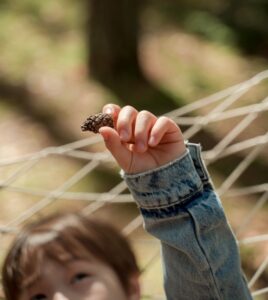
Children can compare textures, colors, shapes, and sizes while developing observation skills.
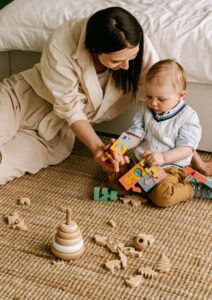
5. Building with Wooden Blocks
Blocks encourage:
- creativity
- engineering skills
- spatial awareness
- problem-solving
Unlike electronic toys, blocks allow unlimited possibilities.
Products to recommend:
- Wooden building blocks
- Rainbow stackers
- Natural building sets
6. Bean and Pasta Sensory Trays
Dry beans or pasta become wonderful materials for:
- scooping
- sorting
- transferring
- counting
Always supervise closely with younger toddlers because of choking hazards.
7. Texture Exploration
Offer children opportunities to compare:
- cotton
- felt
- velvet
- wood
- metal
- sponge

Talking about textures helps expand vocabulary while strengthening sensory awareness.
8. Process Art
Instead of focusing on creating a perfect craft, allow children to explore materials freely.
Ideas include:
- finger painting
- sponge painting
- watercolor
- stamping
- collage
Process art encourages creativity without pressure.
Products to recommend:
- Washable paint
- Smocks
- Easels
- Thick paper
- Paint brushes
Common Mistakes During Sensory Play
Parents sometimes:
- interrupt too often
- worry about making a mess
- provide too many materials
- expect a finished product
Remember that exploration—not perfection—is the goal.
Choosing the Right Sensory Toys
Not every sensory toy needs flashing lights or electronic sounds.
Look for toys that encourage:
- exploration
- creativity
- independent play
- problem-solving
- open-ended learning
Natural materials like wood, silicone, fabric, and metal often provide richer sensory experiences than plastic electronic toys.
Our Favorite Sensory Play Products
Você pode recomendar futuramente:
- Wooden Rainbow Stacker
- Sensory Bin Kit
- Water Table
- Play Dough Set
- Wooden Scoops
- Wooden Building Blocks
- Silicone Stacking Cups
- Magnetic Tiles
- Wooden Balance Stones
- Nature Exploration Kit
❓ Frequently Asked Questions
-At what age should sensory play begin?
Sensory experiences can begin in infancy and become more complex as children grow.
-How often should toddlers do sensory activities?
Even 15–30 minutes several times a week can provide valuable learning opportunities.
-Is sensory play messy?
Sometimes, but using trays, mats, or outdoor spaces can make cleanup quick and easy.
-Do I need expensive sensory toys?
No. Many of the best sensory activities use simple household items combined with a child’s imagination.
Final Thoughts
Sensory play is one of the most valuable ways to support early childhood development. Through hands-on exploration, toddlers strengthen motor skills, build confidence, expand language, and develop a lifelong love of learning.
The most meaningful sensory experiences don’t require expensive materials or complicated setups. By offering a few carefully chosen activities and allowing children to explore at their own pace, parents can create rich learning opportunities every day.
Whether it’s splashing in water, building with wooden blocks, exploring nature, or creating colorful sensory bins, every playful moment becomes an opportunity for discovery. And with a thoughtfully selected collection of sensory tools and open-ended toys, families can continue encouraging curiosity, creativity, and joyful learning for years to come.