Introduction
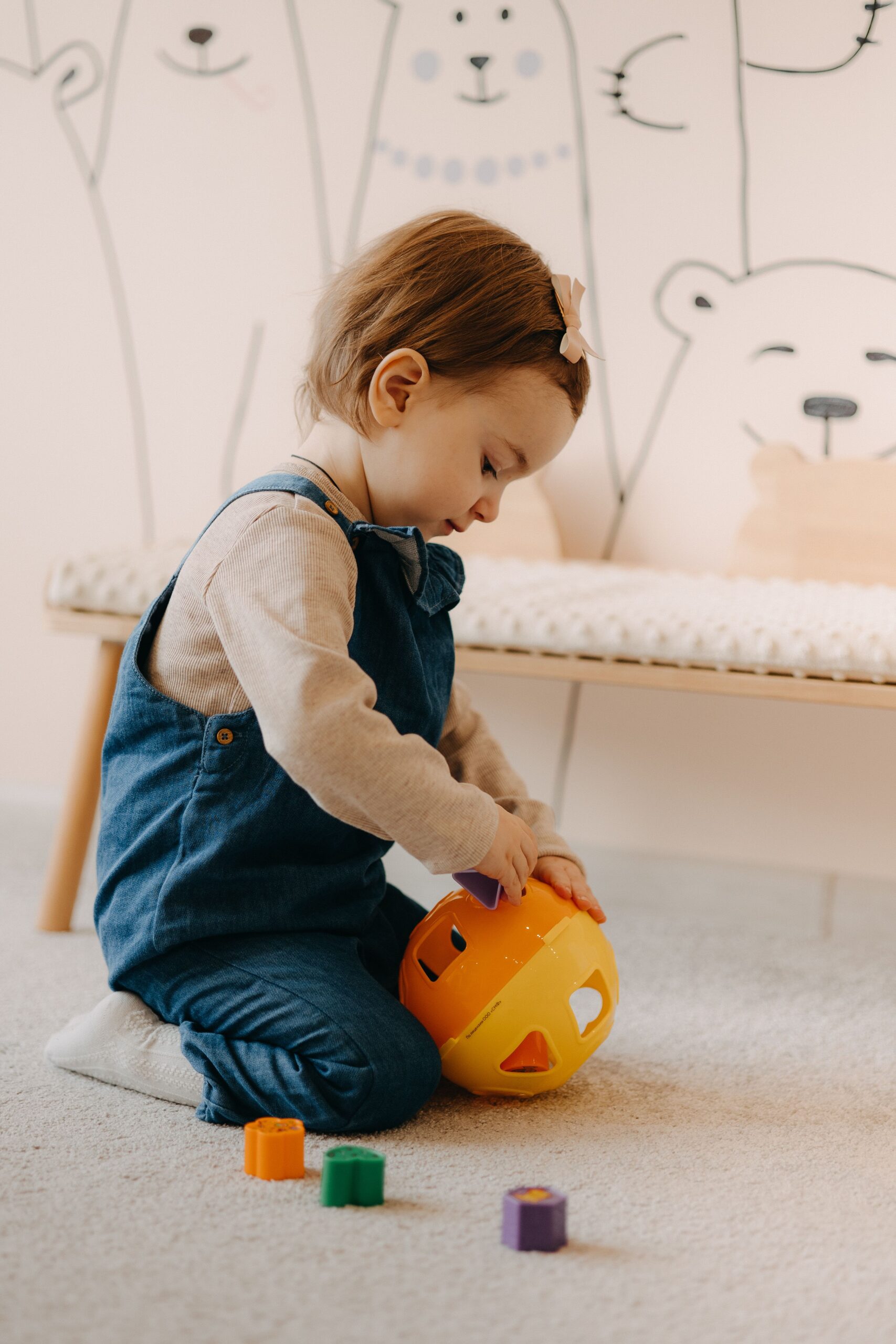
The toddler years are a time of incredible growth. Between the ages of 1 and 2, children are developing mobility, coordination, language, and a strong desire to explore the world around them.
Best Montessori Toys for 1–2 Year Olds are designed to support these early developmental stages through simplicity, purpose, and hands-on learning.
Rather than overwhelming toddlers with lights and sounds, Montessori-inspired toys encourage concentration, independence, and meaningful play.
In this guide, you’ll discover what makes a toy Montessori-friendly and which types of toys best support children between 1 and 2 years old.
What Makes a Toy Montessori-Friendly?
Montessori toys are chosen with intention. Each toy has a clear purpose and supports the child’s natural development.
In general, Montessori toys:
• Focus on one skill at a time
• Are made from natural materials, such as wood
• Encourage active, hands-on learning
• Allow the child to self-correct
• Support independence and concentration
For toddlers, simplicity is key. Fewer toys, thoughtfully chosen, create a calmer and more engaging play experience.
Developmental Needs of 1–2 Year Olds
At this stage, toddlers are:
• Learning to walk, climb, and balance
• Developing hand-eye coordination
• Exploring cause and effect
• Beginning to solve simple problems
• Building early language and fine motor skills
The best Montessori toys support these milestones while allowing children to explore at their own pace.
Benefits of Montessori Toys for Toddlers
Montessori toys offer much more than entertainment. When chosen thoughtfully, they support a toddler’s natural development while encouraging curiosity, confidence, and independent learning.
One of the biggest benefits of Montessori toys is that they help children actively participate in their own learning. Rather than simply pressing buttons or watching lights flash, toddlers use their hands, minds, and senses to explore how things work.
Montessori toys can help toddlers:
• Build fine motor skills and hand-eye coordination
• Improve focus and concentration
• Develop problem-solving abilities
• Encourage independent play
• Strengthen confidence and self-esteem
• Support creativity and exploration
Because Montessori toys are designed with a specific purpose, they often keep children engaged for longer periods of time. This allows toddlers to practice skills through repetition, which is an important part of early learning.
Most importantly, Montessori toys help children discover the joy of learning through play while respecting their natural pace of development.
Best Types of Montessori Toys for 1–2 Year Olds
-Wooden Puzzles
Simple wooden puzzles for toddlers with knobs or basic shapes help toddlers develop fine motor skills and problem-solving abilities.
They also support concentration and patience.

-Stacking and Nesting Toys
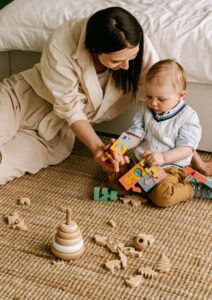
Wooden stacking toys and nesting cups for toddlers, as well as wooden blocks, encourage coordination and spatial awareness.
These toys help toddlers understand size, order, and balance.
-Shape Sorters
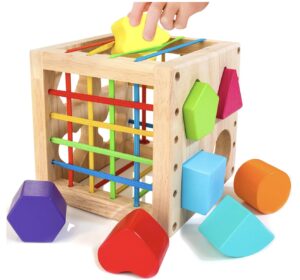
Shape sorters are excellent for teaching toddlers how objects fit together.
They also promote logical thinking and hand-eye coordination.
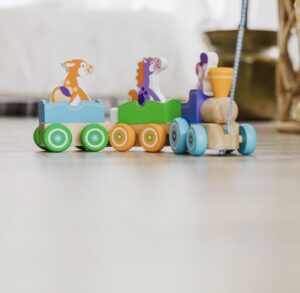
-Push and Pull Toys
Push and pull toys for toddlers support gross motor development and balance.
They are especially helpful for toddlers who are learning to walk more confidently.
-Practical Life Toys
Practical life activities are a core part of Montessori learning.
For toddlers, this can include toddler cleaning set, simple Montessori kitchen tools, or child-sized everyday objects that allow them to imitate real-life tasks.
Common Mistakes Parents Make When Choosing Toys
With so many toys available today, it can be difficult to know which ones truly support development. Many parents unintentionally choose toys that are more entertaining than educational.
One common mistake is buying too many toys at once. An overwhelming number of options can make it harder for toddlers to focus and engage deeply with any one activity.
Another mistake is choosing toys that are too advanced. Toys should provide an appropriate challenge without causing frustration. When a toy is too difficult, children may quickly lose interest.
Parents should also be cautious about toys with excessive lights, sounds, and electronic features. While these toys may seem exciting, they often reduce opportunities for problem-solving, creativity, and concentration.
Instead, look for simple, purposeful toys that encourage active participation and allow children to discover solutions on their own.
How to Choose the Right Toys
When selecting Montessori toys for toddlers, keep these tips in mind:
• Choose quality over quantity
• Offer a limited number of toys at a time
• Rotate toys to maintain interest
• Observe your child’s interests and abilities
A well-prepared environment with a few intentional toys is more beneficial than a room full of distractions.
How Many Toys Does a Toddler Really Need?
Many parents assume that more toys create more learning opportunities, but the opposite is often true.
The Montessori approach emphasizes quality over quantity. A small selection of carefully chosen toys allows children to focus more deeply, engage in meaningful play, and develop stronger concentration skills.
Rather than offering dozens of toys at once, consider displaying only a few options at a time. This practice, often called toy rotation, helps maintain interest while preventing overstimulation.
Toy rotation is simple:
• Keep a small number of toys accessible
• Store the remaining toys out of sight
• Rotate toys every few weeks based on your child’s interests
Children are often more engaged when they can fully explore a few toys rather than constantly moving from one toy to another.
A calm, organized play space with fewer distractions encourages deeper learning and more purposeful play.
Signs a Montessori Toy Is a Good Match for Your Child
Every child develops at their own pace, so the best Montessori toy is one that matches your child’s current interests and abilities.
Some signs that a toy is a good fit include:
• Your child chooses the toy repeatedly
• They can use it mostly independently
• It holds their attention for several minutes or longer
• It provides a challenge without causing frustration
• They return to the activity over multiple days or weeks

Children naturally show us what they are ready to learn through their interests. Observing how your toddler interacts with toys can help you make thoughtful choices that support ongoing development.
Remember that a toy does not need to be complicated to be effective. Often, the simplest toys provide the richest learning experiences.
Frequently Asked Questions About Montessori Toys
-Are Montessori toys worth it?
Many parents find Montessori toys valuable because they support development through purposeful, hands-on learning. High-quality Montessori toys often remain useful for longer periods than highly stimulating electronic toys.
-Do Montessori toys have to be wooden?
No. While many Montessori toys are made from natural materials such as wood, the most important factor is how the toy supports learning and independence. A toy can be Montessori-inspired even if it is made from other safe materials.
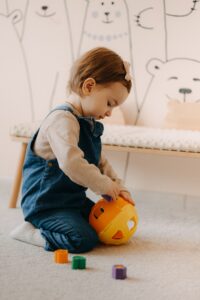
-Can I create Montessori activities without buying special toys?
Absolutely. Many Montessori activities can be created using everyday household items. Pouring water, sorting objects, folding towels, and helping with simple household tasks are all examples of Montessori-inspired learning.
-How often should I rotate toys?
There is no strict rule. Many families rotate toys every two to four weeks or whenever a child seems to be losing interest. The goal is to keep the environment engaging without becoming overwhelming.
-Are Montessori toys better than electronic toys?
Montessori toys are designed to encourage active participation rather than passive entertainment. While electronic toys may have a place in some families, Montessori toys generally provide more opportunities for concentration, problem-solving, and independent learning.
Final Thoughts
Montessori toys for 1–2 year olds are not about entertainment — they are about supporting development in a thoughtful and meaningful way.
By choosing simple, purposeful toys and creating an environment that encourages independence, parents can help toddlers build confidence, focus, and a love for learning from an early age.
In the next guide, we’ll explore the best Montessori toys for 3-year-olds, building on the skills developed during the toddler years.”